Mastering Vector and Raster Graphics with Tent SVG, DXF, EPS, JPG, PNG
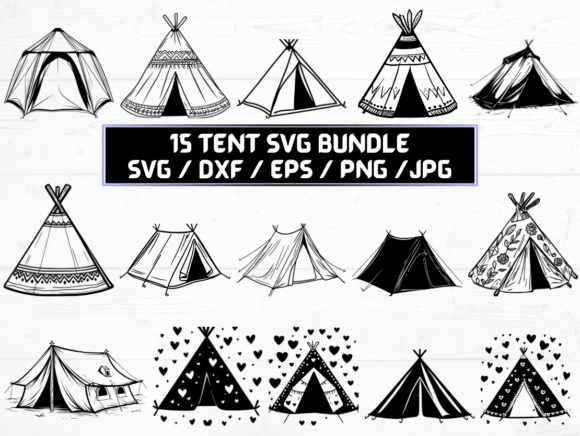
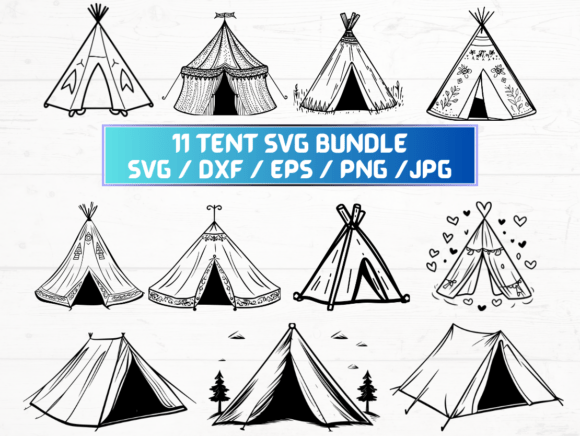
In today’s digital-first world, the ability to work with a variety of graphic file formats is essential for professionals across multiple industries. Whether you're a designer, marketer, educator, or small business owner, having access to high-quality, versatile files can significantly enhance your workflow. One such resource that stands out is Tent SVG, DXF, EPS, JPG, PNG. This digital product includes 5 files in a ZIP folder—11 SVG, 11 PNG, 11 DXF, 11 JPG, and 11 EPS files—all at 300 dpi with transparent backgrounds. It offers a comprehensive toolkit for creative and practical use, making it a valuable asset in both personal and professional settings.
Understanding the File Formats
Before diving into how Tent SVG, DXF, EPS, JPG, PNG can be integrated into your workflow, it's important to understand the unique characteristics of each format:
- SVG (Scalable Vector Graphics): Ideal for scalable, resolution-independent graphics. Perfect for web design, logos, and illustrations that need to maintain quality at any size.
- DXF (Drawing Exchange Format): A standard format used in CAD software. Great for engineering, architecture, and technical drawings.
- EPS (Encapsulated PostScript): A vector format that supports both vector and bitmap data. Often used in print and publishing workflows.
- JPG (Joint Photographic Experts Group): A widely used raster format for photographs and images. Best for web use due to its compressed file size.
- PNG (Portable Network Graphics): Another raster format, known for its transparency support and lossless compression. Popular for web graphics and icons.
Each of these formats has specific use cases, and having all of them available in one package makes Tent SVG, DXF, EPS, JPG, PNG a versatile tool for designers and creators who need flexibility in their projects.
Integration Into Creative Workflows
The true power of Tent SVG, DXF, EPS, JPG, PNG lies in its adaptability. These files can be used at various stages of a project, from initial concept development to final output. For example, an illustrator might start with an SVG file for a logo, then export it as a PNG for web use or as a JPG for print. Similarly, a graphic designer working on a marketing campaign could use DXF files for technical diagrams and EPS files for high-resolution print materials.
One of the most significant advantages of this product is its compatibility with a wide range of tools. Whether you're using Adobe Illustrator, Inkscape, AutoCAD, or even online editors like Canva, these files are designed to work seamlessly across platforms. This cross-platform support ensures that your workflow remains uninterrupted, regardless of the software you choose.
Workflow Examples
Let’s consider a few real-world scenarios where Tent SVG, DXF, EPS, JPG, PNG can make a difference:
- Web Design Project: A web designer might use SVG files for responsive icons and logos, ensuring they scale perfectly across different screen sizes. PNG files with transparent backgrounds can be used for overlays or background elements without losing quality.
- Print Production: For print jobs, EPS and PDF files are often preferred. The inclusion of EPS files in Tent SVG, DXF, EPS, JPG, PNG allows for high-quality print outputs, while JPG files can serve as lower-resolution previews.
- Graphic Illustration: An artist working on a digital illustration may start with an SVG file for vector elements, then convert it to PNG for use in social media posts or as a downloadable asset.
- Marketing Materials: Marketers can leverage the versatility of these files to create promotional materials. For instance, a JPG file might be used for a banner ad, while a DXF file could be imported into a design tool for a custom poster.
These examples highlight how Tent SVG, DXF, EPS, JPG, PNG can be seamlessly integrated into diverse workflows, enhancing both efficiency and creativity.
Practical Tips for Using the Files
While having access to these files is beneficial, knowing how to use them effectively is equally important. Here are some practical tips to help you get the most out of Tent SVG, DXF, EPS, JPG, PNG:
- Organize Your Files: Keep each format in its own folder or directory to avoid confusion. This helps streamline your workflow, especially when dealing with multiple versions of the same image.
- Check Compatibility: Not all software supports every format. Always verify that the target application you’re using can handle the specific file type you’re working with.
- Use High-Quality Tools: When editing or converting files, use professional-grade software to maintain the highest possible quality. Tools like Adobe Illustrator, CorelDRAW, or Inkscape offer robust support for vector formats.
- Optimize for Use Case: Depending on your intended use, optimize the file format accordingly. For example, use PNG for images requiring transparency and JPG for photographs.
- Backup Regularly: Digital assets are invaluable, so ensure you have a reliable backup system in place. Cloud storage solutions or external drives can help protect your files from loss.
By following these best practices, you can ensure that Tent SVG, DXF, EPS, JPG, PNG remains a reliable and efficient part of your creative toolkit.
Long-Term Value and Usability
The long-term value of Tent SVG, DXF, EPS, JPG, PNG extends beyond immediate use. As your projects evolve, having access to multiple file formats allows for greater flexibility. For instance, if you initially create a design in SVG, you can later convert it to PNG or JPG for different applications without starting from scratch. This not only saves time but also reduces the risk of inconsistencies in your output.
Additionally, the 300 dpi resolution ensures that your files maintain high quality, which is crucial for both print and digital media. This level of detail is particularly important for professionals in fields like graphic design, advertising, and publishing, where quality is non-negotiable.
Moreover, the transparent background feature of PNG and SVG files opens up new possibilities for layering and combining graphics. Whether you're creating templates, overlays, or interactive content, this functionality can greatly enhance the visual impact of your work.
Conclusion
Tent SVG, DXF, EPS, JPG, PNG is more than just a collection of files—it’s a strategic resource that can elevate your creative and professional workflows. By understanding the strengths of each format and integrating them thoughtfully into your process, you can unlock new levels of efficiency, quality, and versatility. Whether you're a designer, marketer, educator, or small business owner, this digital product offers a powerful foundation for achieving your goals in the digital space.