Mastering Drone Vector Graphics: A Guide to SVG, DXF, EPS, JPG, and PNG Files
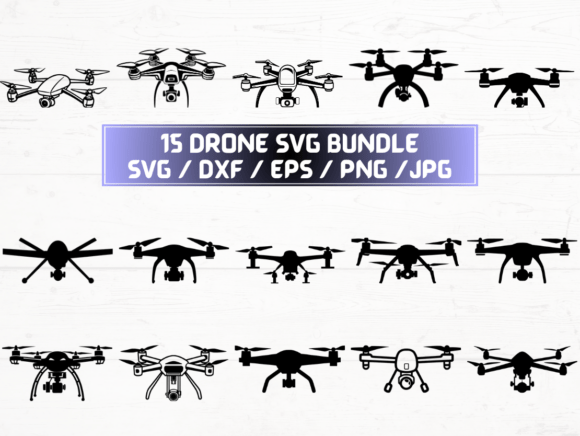
If you're looking for high-quality drone graphics that can be used across various platforms and applications, you've probably come across a product offering Drone SVG, DXF, EPS, JPG, and PNG files. This digital product provides a comprehensive set of files in multiple formats, making it a versatile resource for designers, marketers, educators, and creators. But before diving into the benefits, it's important to understand what these file types mean and how to use them effectively.
Understanding the File Formats
The Drone SVG, DXF, EPS, JPG, and PNG collection includes five different file types, each with its own strengths and use cases. Let’s break down what they are and why they matter:
- SVG (Scalable Vector Graphics): Ideal for web use and print, SVG files are resolution-independent and maintain quality at any size. They’re perfect for logos, icons, and illustrations.
- DXF (Drawing Exchange Format): Commonly used in CAD software, DXF files are great for engineering, architecture, and technical design projects.
- EPS (Encapsulated PostScript): A vector format that supports both vector and bitmap data, EPS is often used in print publishing and graphic design.
- JPG (Joint Photographic Experts Group): Best for photographs and complex images, JPG files are compressed and suitable for web and print.
- PNG (Portable Network Graphics): Similar to JPG but with transparency support, PNG is ideal for web graphics and images requiring a transparent background.
By providing all these formats, the Drone SVG, DXF, EPS, JPG, and PNG product ensures compatibility with a wide range of tools and platforms, from design software to online platforms.
Common Mistakes When Using Drone Files
While having access to multiple file types is a huge advantage, many users make mistakes when selecting or using the right format for their project. Here are some common pitfalls:
Choosing the Wrong Format
One of the most frequent errors is choosing the wrong file type for the task at hand. For example, using a JPG for a logo might result in poor quality due to compression, while an SVG would be more appropriate for scalability and clarity.
Tip: Always consider the intended use of your file. If you need a scalable, editable graphic, go with SVG or EPS. For photographs or detailed images, JPG or PNG might be better suited.
Ignoring Transparency
Many users overlook the importance of transparency, especially when working with PNG or SVG files. Not accounting for transparency can lead to unwanted backgrounds or misaligned elements in your design.
Tip: Check if the files include a transparent background. If not, consider using a tool like Photoshop or GIMP to remove the background manually or request a version with transparency from the seller.
Not Checking File Quality
Even though the product claims to offer 300 dpi files, it’s crucial to verify the actual quality. Some files may appear low-resolution when viewed on screen or printed, which can affect the final output.
Tip: Download a sample file first and test it in your intended application. If the quality doesn’t meet your expectations, contact the seller for clarification or alternatives.
How to Use Drone Files Effectively
Once you’ve selected the right file format, it’s time to use the Drone SVG, DXF, EPS, JPG, and PNG files in your projects. Here are some practical steps to ensure success:
- Download and Organize: Ensure you download all files and organize them by format. Keeping them sorted helps streamline your workflow, especially when working on multiple projects.
- Test Compatibility: Before using the files in your preferred software, test their compatibility. Some programs may not support certain formats, so it’s wise to check this beforehand.
- Use the Right Software: Depending on the file type, you’ll need the right tools. For example, DXF files are best opened in CAD software like AutoCAD, while SVG files work well in Adobe Illustrator or Inkscape.
- Customize as Needed: Many users forget that these files are editable. Take advantage of the ability to modify colors, shapes, and text to suit your specific needs.
- Backup Your Files: Always keep a backup of your downloaded files. Digital products can be lost or corrupted, so it’s essential to store copies in multiple locations.
By following these steps, you can maximize the value of your Drone SVG, DXF, EPS, JPG, and PNG purchase and avoid unnecessary frustration.
What to Look For Before Purchasing
Before buying the Drone SVG, DXF, EPS, JPG, and PNG product, there are several factors to consider:
- File Count and Variety: Ensure the package includes the number of files you need. The listing mentions 15 files per format, which is a good starting point, but confirm if you require more.
- Resolution and Quality: Verify that the files are indeed 300 dpi and of high quality. Lower resolution files may not perform well in print or digital media.
- Format Support: Make sure your software supports the file types included. If you primarily work with one format, double-check if others are necessary.
- Customer Reviews: Read reviews from other buyers to get insights into the product’s performance and reliability.
- Support and Returns: Check if the seller offers support or a return policy in case the files don’t meet your expectations.
By taking these considerations into account, you can make a more informed decision and avoid potential disappointments.