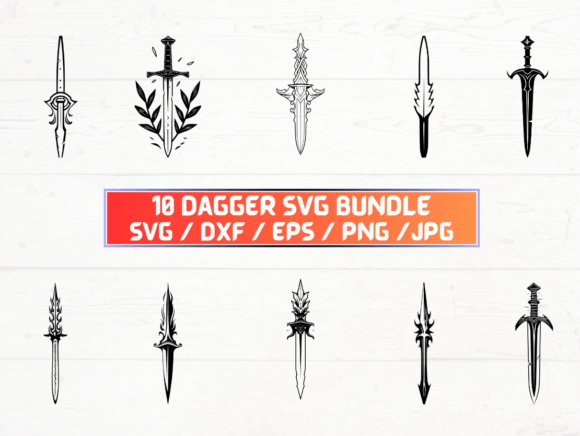
Mastering Visual Communication with Dagger SVG, DXF, EPS, JPG, and PNG
In today’s fast-paced digital world, the ability to communicate visually is more critical than ever. Whether you're a marketer, designer, educator, or small business owner, having access to high-quality, versatile graphic files can significantly enhance your workflow and outcomes. Enter Dagger SVG, DXF, EPS, JPG, and PNG—a collection of 50 meticulously crafted design files that offer unparalleled flexibility and utility across multiple platforms and applications.
What Is Dagger SVG, DXF, EPS, JPG, and PNG?
Dagger SVG, DXF, EPS, JPG, and PNG is not just a set of files; it's a toolkit designed for creators who value precision, adaptability, and efficiency. This digital product includes 10 SVG, 10 PNG, 10 DXF, 10 JPG, and 10 EPS files, all at 300 dpi with transparent backgrounds. These formats are chosen for their unique strengths: SVG for scalability, PNG for transparency and quality, DXF for engineering and design, JPG for web use, and EPS for print and vector compatibility.
Each file is crafted to ensure compatibility with a wide range of software, from Adobe Illustrator and InDesign to CAD programs and online design tools. This versatility makes them ideal for both professional and personal projects, allowing users to seamlessly integrate visuals into branding, marketing materials, educational content, and more.
Why Strategic Use Matters
The true power of Dagger SVG, DXF, EPS, JPG, and PNG lies in how they are used. Simply possessing these files is not enough; understanding when and how to apply them strategically can make a significant difference in achieving your goals.
For instance, using SVG files for website icons ensures they remain crisp at any size, while PNGs with transparent backgrounds are perfect for overlays or social media graphics. DXF files, often used in engineering and architecture, can be invaluable for technical documentation or product design. JPGs are ideal for quick web uploads, and EPS files maintain high quality for print and scalable use in professional settings.
By aligning the use of these files with specific objectives—whether it's enhancing brand consistency, improving user engagement, or streamlining production—you can maximize their impact and avoid common pitfalls such as overuse or misapplication.
Practical Applications Across Industries
Dagger SVG, DXF, EPS, JPG, and PNG offers a wide array of practical applications, making it a valuable asset for various professions and industries:
- Entrepreneurs and Small Business Owners: Use these files to create logos, marketing assets, and product visuals that are consistent across all platforms, reinforcing brand identity and professionalism.
- Marketers and Content Creators: Leverage SVG and PNG files for social media graphics, email campaigns, and digital ads, ensuring high-quality visuals that adapt to different screen sizes and resolutions.
- Designers and Educators: Utilize DXF and EPS files for technical illustrations, teaching materials, and interactive learning resources, providing clarity and precision in complex subjects.
- Freelancers and Freelance Teams: Access a ready-made library of high-quality graphics to speed up project delivery, reduce costs, and maintain consistency across client work.
- Bloggers and Publishers: Incorporate these files into articles, infographics, and publications to enhance visual storytelling and reader engagement.
Each application highlights the importance of thoughtful integration. Rather than treating these files as generic assets, consider how they contribute to specific outcomes, such as increased conversion rates, improved user experience, or enhanced educational value.
Strategic Planning and Decision-Making
Before relying on Dagger SVG, DXF, EPS, JPG, and PNG, it’s essential to approach them with a clear plan and strategic mindset. Begin by defining your goals: Are you looking to improve brand recognition, streamline production processes, or boost engagement? Once your objectives are clear, identify which file types and formats best support those aims.
For example, if your goal is to create a responsive website, SVG files would be the optimal choice due to their scalability and compatibility with modern web standards. If you’re designing a technical manual, DXF files may provide the necessary precision and detail. By aligning your choices with your goals, you ensure that each file serves a purpose rather than being used out of convenience or habit.
Additionally, consider the context in which these files will be used. Will they be part of a larger design system, integrated into a marketing campaign, or shared across multiple platforms? Understanding this context helps prevent unnecessary duplication and ensures that each file contributes meaningfully to your overall strategy.
Long-Term Value and Risk Mitigation
One of the greatest advantages of Dagger SVG, DXF, EPS, JPG, and PNG is its long-term value. High-quality, adaptable graphics can be reused across multiple projects, saving time and resources while maintaining consistency. However, without clear goals and planning, these files can become redundant or even detrimental to your workflow.
Risk mitigation begins with intentionality. Before downloading and using these files, ask yourself: What specific outcome am I trying to achieve? How will these files contribute to that outcome? What are the potential downsides of using them incorrectly or inappropriately?
For instance, using a high-resolution PNG in a low-bandwidth environment could lead to slow load times and poor user experience. Similarly, relying on outdated file formats without considering future compatibility can limit the lifespan of your designs. By addressing these considerations upfront, you minimize the risk of wasted effort and ensure that your investment in these files delivers real value.
Conclusion
Dagger SVG, DXF, EPS, JPG, and PNG is more than just a collection of design files—it’s a strategic resource that empowers creators to communicate effectively, operate efficiently, and achieve meaningful results. When used intentionally and thoughtfully, these files can enhance productivity, support decision-making, and drive long-term success.
Whether you're building a brand, launching a campaign, or creating educational content, the key is to align the use of these files with your broader objectives. By doing so, you unlock their full potential and transform them from simple assets into powerful tools for growth and innovation.